BACK TO OUR NEWS
Québec City, September 24, 2026 – After submitting its project notice and receiving confirmation that it was deemed complete, QSL is today entering a new phase in its plan to develop an international container terminal, with the launch of the Québec Port Authority’s Impact Assessment and Mitigation Process (IAMP). This major project will help strengthen the resilience of Quebec and Canadian supply chains, support local exporters and importers, and reinforce the strategic role of the St. Lawrence maritime corridor.
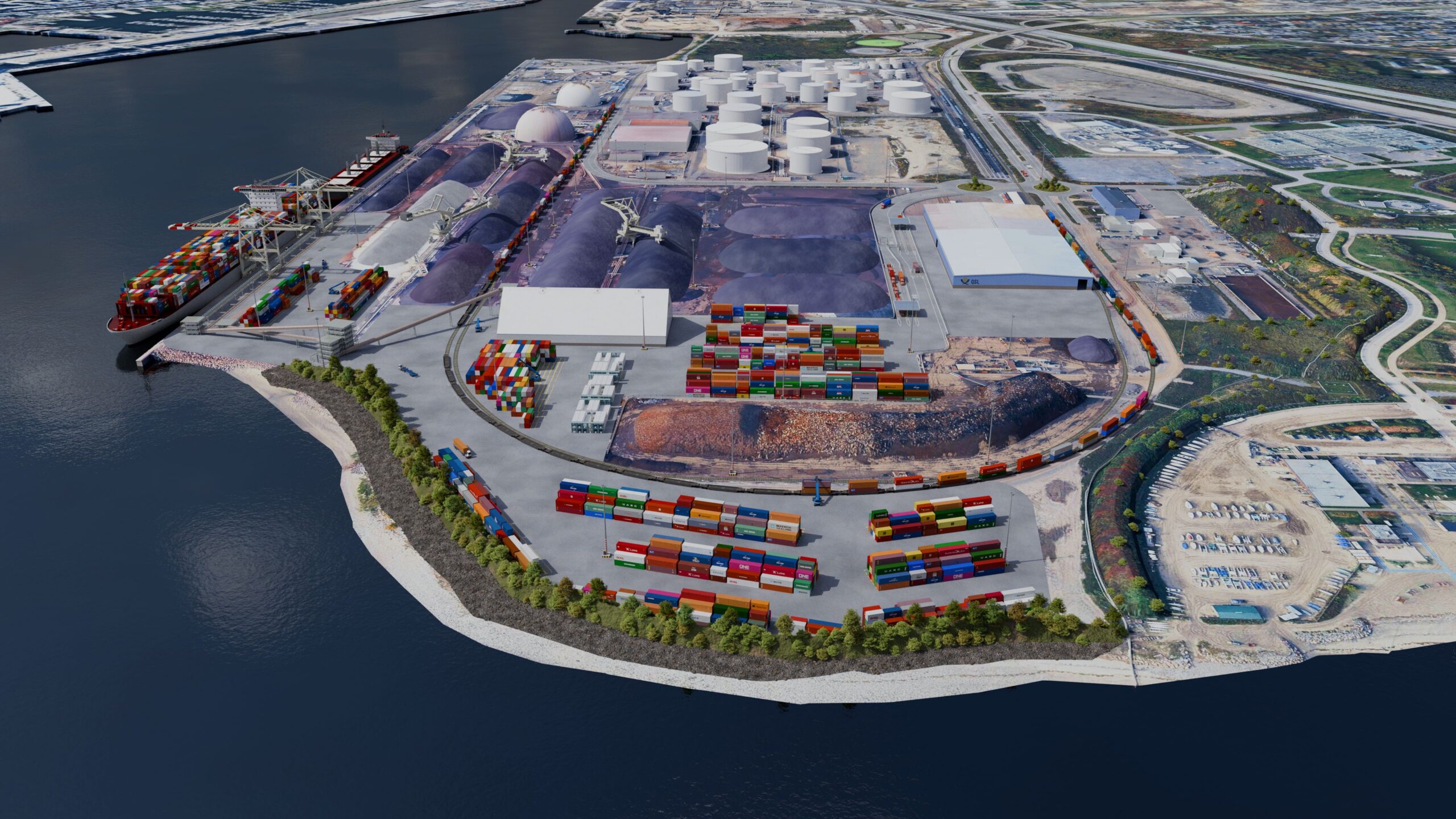
The project is based on the redevelopment and optimization of an existing industrial port site and aims to commission an international container terminal within QSL’s existing facilities in the Beauport sector, without encroaching on the St. Lawrence River, carrying out work in the marine environment or affecting recreational and tourism activities at Baie de Beauport.
“We are deeply proud to present a project designed for the future, one that reflects the expectations expressed during the pre-consultations, and balances economic development with environmental imperatives. Above all, this project is especially relevant today, as Quebec seeks to strengthen the resilience of its supply chains, diversify its markets and reinforce its position in international trade.”
Robert Bellisle, President and Chief Executive Officer of QSL
The project aims to leverage the Port of Québec’s distinctive features, including a water depth of 15 metres, existing facilities, a connection to the CN rail network and proximity to major road corridors.
The project would:
By moving approximately 80% of handled volumes by rail and reducing reliance on long-haul trucking through better integration of transportation modes, the project would also reduce greenhouse gas emissions associated with freight transportation. Based on the analyses completed to date, annual reductions could reach approximately 25,800 tonnes of CO₂, equivalent to removing about 9,000 cars off the road.
The project notice reflects discussions held since 2024 with various stakeholders, including public authorities, citizen groups, community organizations, and economic stakeholders.
From the design stage onward, the project also incorporates measures to reduce potential impacts on the environment, air quality, noise levels, local traffic and quality of life. These measures include creating vegetated buffer zones, building a landscaped screening berm, rigorously managing stormwater and soils, and making extensive use of rail transportation. At QSL’s initiative, additional studies will be conducted during the Environmental Effects Evaluation (EEE): a local traffic modelling study, a supplementary study of noise associated with rail operations, and an air dispersion study.
Submitting the project notice is the first step in the assessment process. The next steps will include conducting the Environmental Effects Evaluation (EEE), continuing discussions with stakeholders, and holding the public consultation periods provided for under the IAMP. This work is intended to advance the project in collaboration with the authorities, partners and affected communities, based on the feedback received.
“We are convinced that economic development, logistics competitiveness and environmental protection can go hand in hand. This conviction has guided every decision we have made since the process began. Our ambition is clear: to develop an exemplary project that integrates harmoniously into its surroundings and meets the highest standards of sustainable development.”
Robert Bellisle
QSL will participate in the upcoming process with openness, attentiveness and a commitment to collaboration. The company will continue to make relevant project information available and actively participate in the information and consultation stages of the assessment process.
Marie B. Deschamps
QSL
marie.deschamps@qsl.com
514-213-2836
→ Download the Press Release
→ Visit the project's page